


Sport has always inspired unity and served as a driver of economic growth, but today its influence extends far beyond traditional boundaries. Shifting consumer behaviors, rapid digital innovation, and a deeper appreciation of its societal impact necessitate more comprehensive strategies from sports organizations and civic leaders.
With landmark events such as the 2030 Asian Games in Doha, the 2034 edition in Riyadh, and the 2034 FIFA World Cup in Saudi Arabia coming up over the next decade, the Middle East sports landscape is stepping onto the global sports stage at a pivotal moment.
Our latest report, “Unlocking The Middle East's Sport Economy”, examines what it will take to unlock the full potential of the sports economy, not just through global tournaments, but by embedding sport into daily life, travel, infrastructure, and digital platforms for the long term.
How sport is evolving into a lifestyle movement
The influence of sport is expanding, ensuring greater cultural relevance and emotional engagement. In fact, various reports suggest that between 67% and 85% of the global population watch sports on a regular basis. Community involvement is becoming essential too, as people seek deeper societal connection through sports and activities.
Digital integration has significantly accelerated this evolution, enabling sport to seamlessly blend with entertainment, health, wellness, and community identity. This global shift sets the stage for the Middle East to fully integrate sport into everyday life, ensuring ongoing participation rather than temporary enthusiasm linked solely to events.
Capturing economic value through sports tourism
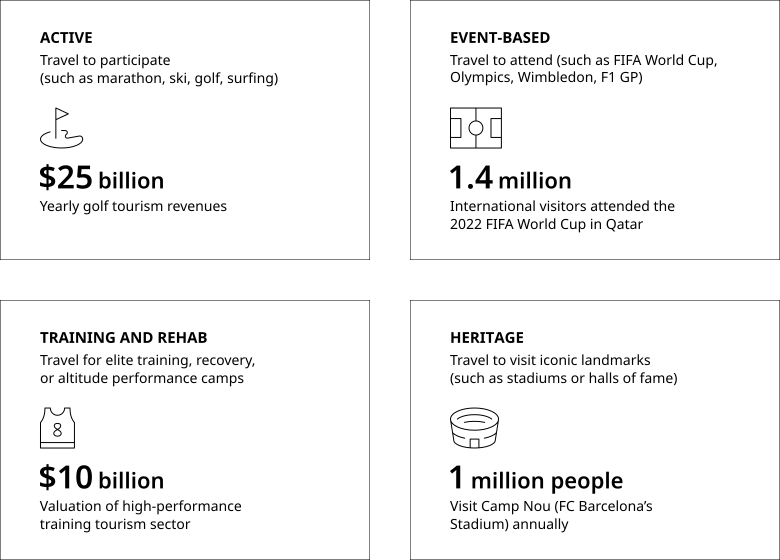
Sport is also becoming a compelling motivation for travel. Globally, sport-related tourism now accounts for approximately 10% of travel expenditure, totaling around $600 billion annually. Travelers are seeking immersive experiences, whether as spectators of iconic events or active participants in marathons, cycling tours, and adventure sports.
Tapping into this lucrative market represents a substantial economic opportunity for the Middle East. By leveraging sport for destination branding, regional economies can diversify revenues and enhance their global appeal, attracting international visitors eager for distinctive sporting experiences.
Sportainment is redefining fan engagement and participation
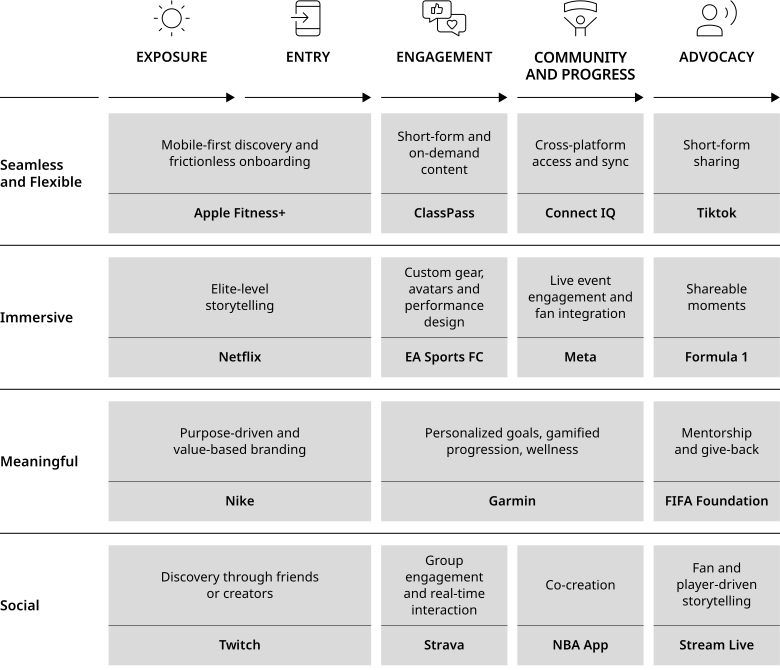
Sports fans demand more dynamic, interactive, and memorable experiences. The concept of “sportainment” (the blend of sports and entertainment) integrates traditional sports competition with interactive digital content, immersive experiences, and extensive social connectivity. We projected to reach $15 trillion globally by 2034, this experience economy requires sports venues and organizers to be more innovative, providing multi-dimensional, digitally enriched experiences that resonate particularly with younger, technology-driven audiences.
However, successfully engaging fans through innovative experiences is only one side of the equation; increasing active participation is equally critical for long-term growth.
Addressing the sport participation gap in the Middle East to unlock growth
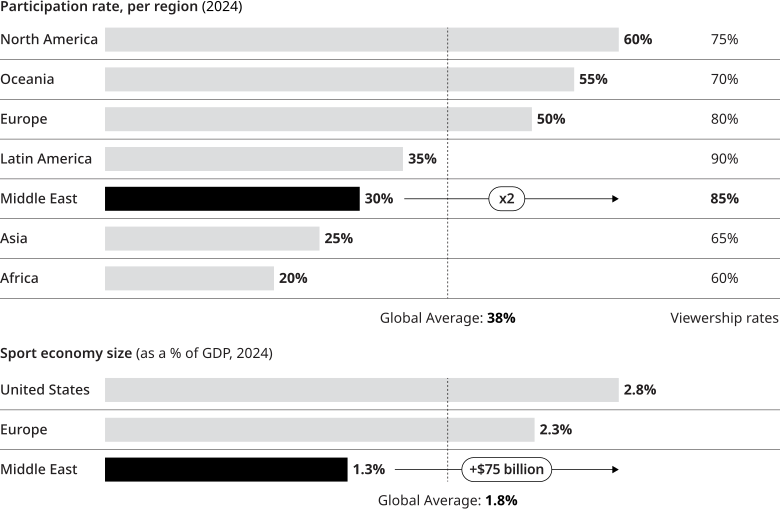
Our analysis suggests that 85% of the Middle East's population regularly consumes sport content, yet only 30% actively participate. This significant participation gap reveals a $75 billion economic growth opportunity.
By creating community-friendly environments that extend beyond stadiums and formal sports facilities, such as wellness districts and accessible recreational areas, the Middle East can foster regular participation and integrate sport into everyday routines. Governments across the region have committed $100 billion to improve the sport infrastructure by 2034. This proactive approach is anticipated to propel participation growth by 5% annually, boost the sports economy by 10%, and increase sports tourism by 14%.
The Middle East can define the future of global sport engagement
With smart investments and vision, the region can be more than just a stage for world-class events — it can become a testing ground for the next era of sports innovation. Saudi Arabia alone could unlock as much as $200 billion in revenue from tourism, media, and global investment linked to its sports branding.
But timing is crucial. As fans and participants expect more seamless, digital, and emotionally rich experiences, the value is shifting away from traditional institutions toward innovators who can deliver on these new demands.
The opportunity is huge — but it won’t wait. It’s not about whether sports will transform economies and societies; it’s about who has the speed and agility to take the lead and score the winning goal.
